Around the globe, massive crowds travel across countries and continents to gather at the world’s biggest music festivals. Tickets sell out in minutes, social feeds explode with photos and videos, and entire cities reshape themselves around these short bursts of sound, light, and shared emotion. Behind the spectacle, though, there are clear reasons why these events continue to grow and pull in millions year after year.
1. Unforgettable Lineups That Define Generations
The core magnet of any major music festival is its lineup. Organizers carefully curate a mix of international superstars, legacy acts, and emerging talent to create a once-in-a-lifetime schedule. Fans know that in a single weekend they might see artists who would normally require multiple tickets, cities, and dates to catch individually. This concentration of talent transforms a festival into a musical time capsule that defines a generation’s sound.
Beyond sheer star power, festivals use clever scheduling to maintain momentum—placing must-see headliners at night, fresh discoveries in afternoon slots, and surprise guests throughout the program. Many attendees return every year purely because they trust the festival’s curators to discover their next favorite artist before anyone else does.
2. Immersive Experiences That Go Far Beyond Music
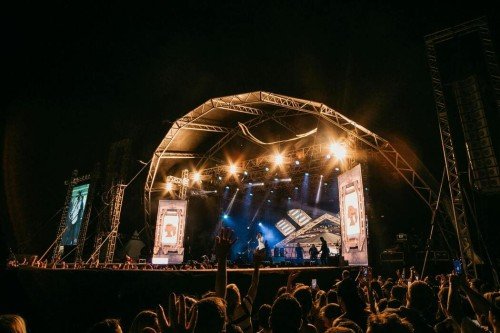
Modern music festivals have evolved into full-scale cultural experiences. Stages are only one part of the equation—attendees now expect interactive art installations, themed zones, light shows, wellness areas, and curated food markets. Large events feel like temporary cities rising from fields and deserts, complete with their own visual identity, soundscapes, and rituals.
For brand partners, vendors, and independent creatives, this means serious business opportunities. From food trucks to merchandise stands, each sale has to be tracked and documented. Using tools like a free invoice generator helps small teams and vendors manage payments, issue professional invoices on the go, and keep financial records clean even in the hectic festival environment.
3. The Power of Community and Belonging
One of the most compelling reasons people rush back to the same festivals every year is the sense of community. For many, a festival becomes a reunion spot where friends from different cities or countries meet up. Shared traditions—like camping together, wearing themed outfits, or returning to the same stage or viewing spot—turn a weekend into a meaningful annual ritual.
That feeling of belonging is amplified by the crowd itself. Strangers sing the same lyrics, dance in sync, and celebrate the same drops and choruses. In an increasingly digital and fragmented world, this collective, in-person energy is rare. Festivals give people a place to express themselves freely and connect with others who share their musical taste and lifestyle.
4. Social Media Moments and FOMO Culture
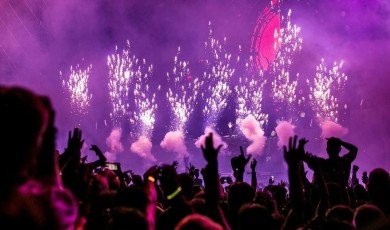
A key driver of festival popularity is how visually and emotionally shareable these events are. Huge stage designs, fireworks, intricate outfits, and candid crowd shots are tailor-made for social platforms. Every major festival becomes its own hashtag, with live clips and stories creating real-time excitement that reaches far beyond the festival grounds.
This continuous stream of content fuels FOMO—fear of missing out. People who didn’t attend see stunning highlights and unforgettable performances on their feeds and decide that next year they have to be there. This cycle of content, envy, and planning pushes demand even higher, helping festivals sell out faster as their online presence grows.
5. Travel, Tourism, and Destination Appeal
Many iconic music festivals are located in places that are compelling destinations on their own. Think coastal cities, scenic countryside, or regions with rich cultural heritage. For attendees, a festival often doubles as a vacation: they explore local food, landmarks, nightlife, and nature before or after the event.
Local tourism boards and businesses benefit as hotels, restaurants, and transportation providers experience a burst of demand. This creates an ecosystem where cities actively support and promote festivals, understanding that the long-term boost in visibility and economic activity can be massive. As festivals become synonymous with certain locations, they turn into global calling cards for the region.
6. Constant Innovation in Production and Technology
Music festivals are at the cutting edge of live-event technology. Organizers constantly explore new ways to heighten the sensory experience—larger LED walls, advanced sound systems, projection mapping, drones, and synchronized pyrotechnics. The result is a highly polished spectacle that makes each year feel bigger and more refined than the last.
Technology also shapes the attendee journey, from digital ticketing and RFID wristbands to interactive festival apps and real-time schedule updates. These tools not only smooth logistics but also create new ways to discover artists, navigate stages, and participate in activities. As the tech improves, festivals feel more seamless, safe, and engaging, encouraging fans to return.
7. Emotional Escape and Reset from Everyday Life
Above all, major festivals offer a temporary escape from daily routines. For a few days, normal responsibilities fade and are replaced by music, friends, and spontaneity. People can try on new identities, experiment with fashion, and live at a different pace without the usual constraints of work and obligations.
This emotional reset is powerful. When attendees leave with stories, inside jokes, and a renewed sense of energy, they associate those feelings with the festival itself. Over time, this emotional pull becomes stronger than any single artist on the lineup. Even if the bill changes every year, the promise of freedom, catharsis, and joy keeps millions coming back.
Conclusion: Why the Crowd Keeps Growing
Music festivals thrive today because they combine world-class performances, immersive design, and powerful human connection into one concentrated experience. They are part concert, part city, part vacation, and part emotional reset—a unique blend that other events struggle to match. As organizers continue to innovate with technology, curate daring lineups, and build strong communities, these festivals are likely to pull in even larger global audiences in the years to come.